Most vapers worry about heavy metals, burnt taste, and tiny particles going into their lungs every single day.
Ceramic coils are safe for vaping. They use food-grade ceramic (aluminum oxide or silicon oxide) and medical-grade heating wires (nichrome, kanthal, or stainless steel) that do not release harmful substances when heated normally.
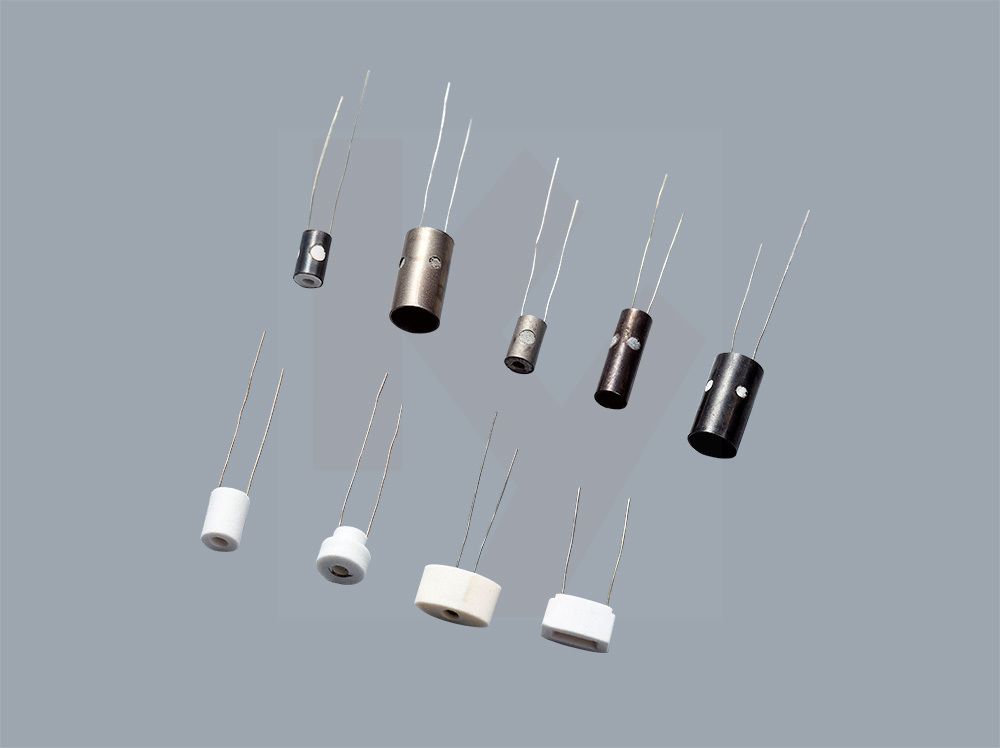
I still remember my first ceramic coil cart. I was scared to death after reading horror stories online. But after thousands of puffs and years of daily use, I feel safer than ever. Keep reading and I’ll show you why.
Why Do People Say Ceramic Vape Coils Are Dangerous?
Some people panic the moment they hear the word “ceramic” and think about broken plates and dust in their lungs.
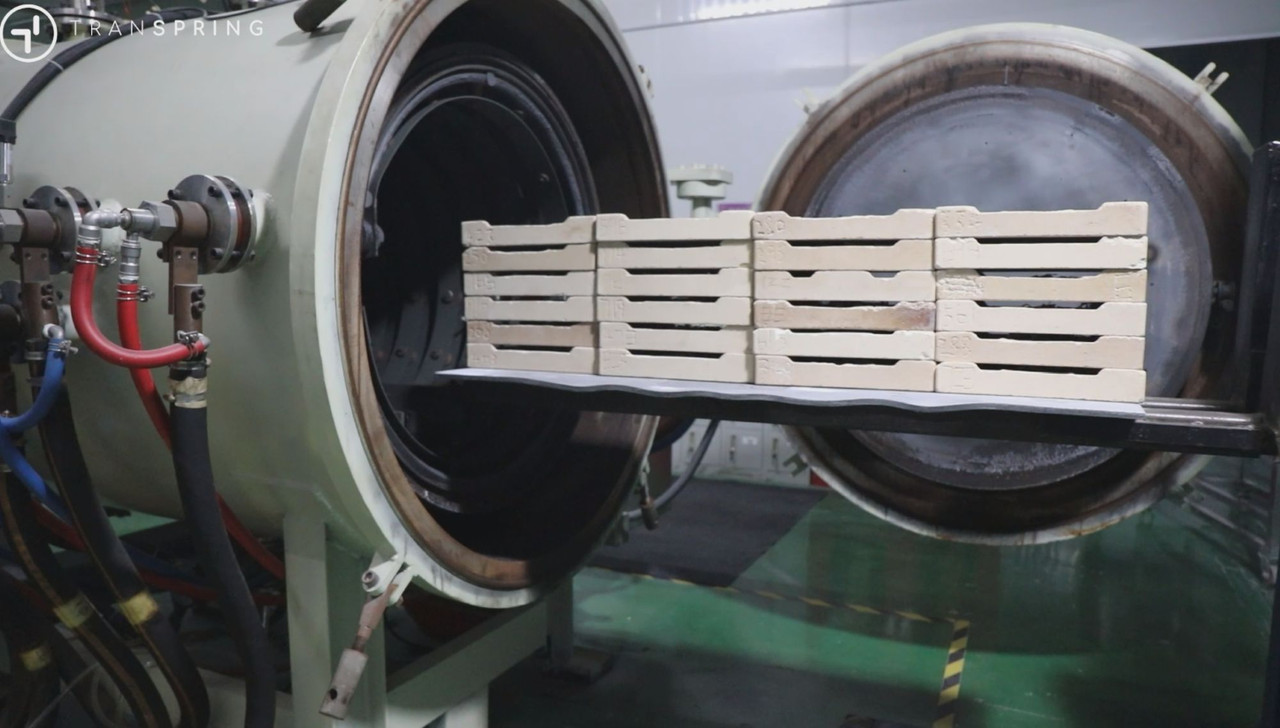
The fear comes from the idea that tiny ceramic particles can break off and be inhaled. In reality, good ceramic coils are made by high-temperature sintering. The ceramic becomes one solid piece, and particles do not come loose under normal use.
Dive Deeper: Is There Any Real Risk of Ceramic Dust?
Let me be very clear. Cheap and poorly made coils do exist. I have seen some no-name brands where the ceramic felt sandy and broke in my hand. Those can release particles. But that’s not the norm.
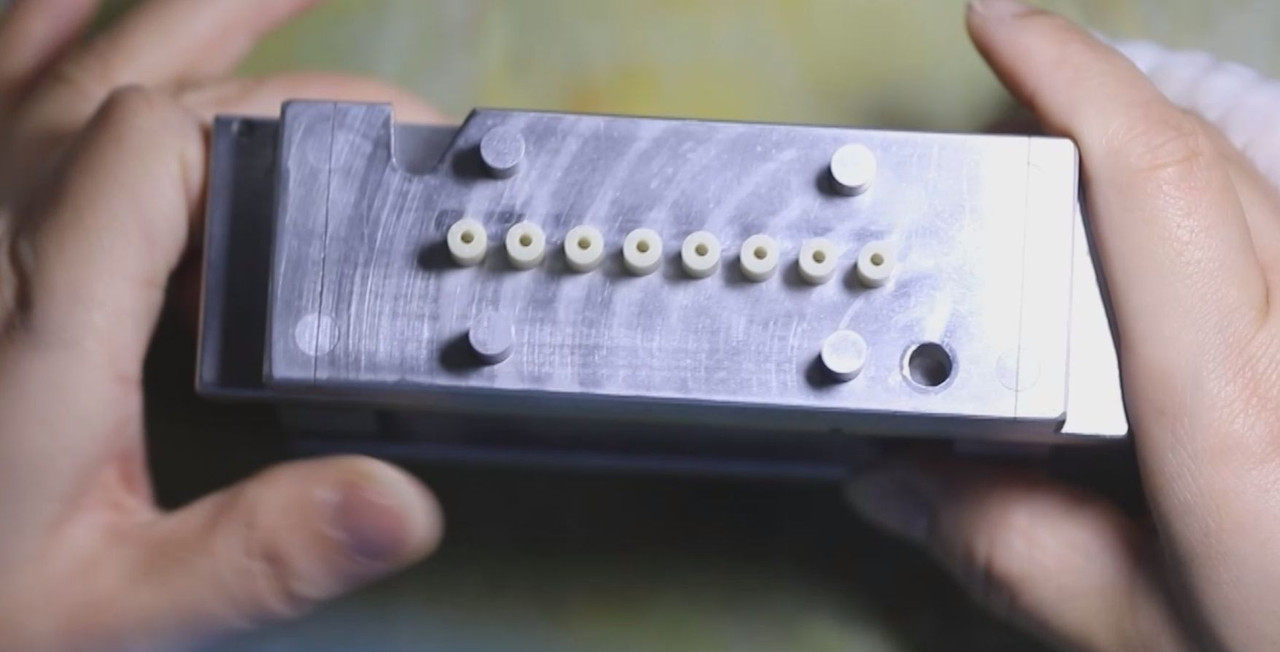
Modern ceramic coils go through 800–2000 °C sintering. At that temperature, the ceramic powder turns into a single hard block. The molecules lock together. You can drop it, hit it, or heat it hundreds of times, and nothing flakes off.(Unless you hit it hard with a hammer)
I once cut open an old coil after six months of heavy use. The ceramic was still perfectly smooth. No dust, no cracks, no loose bits. The only thing dirty was the burnt oil on top.
What About Heavy Metal Tests?
Every legal cannabis vape sold in California, Colorado, Nevada, and other tested states must pass heavy metal testing. Labs check for lead, arsenic, cadmium, and mercury. Good ceramic coils always pass because:
| Material | Common Name | Heavy Metal Release | Food/Medical Grade |
|---|---|---|---|
| Al₂O₃ or SiO₂ | Ceramic body | None | Yes |
| Nichrome (NiCr) | Heating wire | None after passivation | Yes |
| Kanthal (FeCrAl) | Heating wire | None | Yes |
| 316L Stainless Steel | Heating wire | None | Yes |
The first time the wire reaches 300–500 °C, it forms a super-thin protective oxide layer. That layer stops any further metal from coming out even at 800 °C. Normal vaping temperature is way below that.
So the “ceramic dust” and “heavy metal” fears are real only when you buy the cheapest junk from unknown sellers. Stick to known brands and you’re fine.
Which Metals Are Actually Used in Ceramic Coil Heating Wires?
A lot of people think ceramic coils are pure ceramic. Nope. The ceramic only holds the wire and the cotton. The wire does the heating.
The three main metals used are nichrome (NiCr), kanthal (FeCrAl), and 316L stainless steel. All three are food-contact safe, extremely stable, and used in kitchen ovens and medical devices for decades.
Dive Deeper: Why These Metals and Not Others?
- Nichrome 80/20 – Heats up very fast, great flavor.
- Kanthal – Slightly slower heat-up but lasts forever and resists oxidation the best.
- 316L Stainless Steel – The cleanest taste, works in temperature control mode, used in high-end rebuildable atomizers.
All three form that protective oxide layer I talked about earlier. Once that layer is there, the metal underneath can’t escape.
People freak out about nickel. Yes, pure nickel is bad for you. But in nichrome the nickel is locked in an alloy and then locked again under the oxide film. Independent lab tests show nickel release is below detectable limits in normal use.
Bottom line: the metals inside ceramic coils are some of the safest heating elements humans have ever invented.
How Can You Make Your Ceramic Coils Last Much Longer?
Nothing hurts more than getting a burnt hit two days after putting in a new coil. I used to kill coils every week.
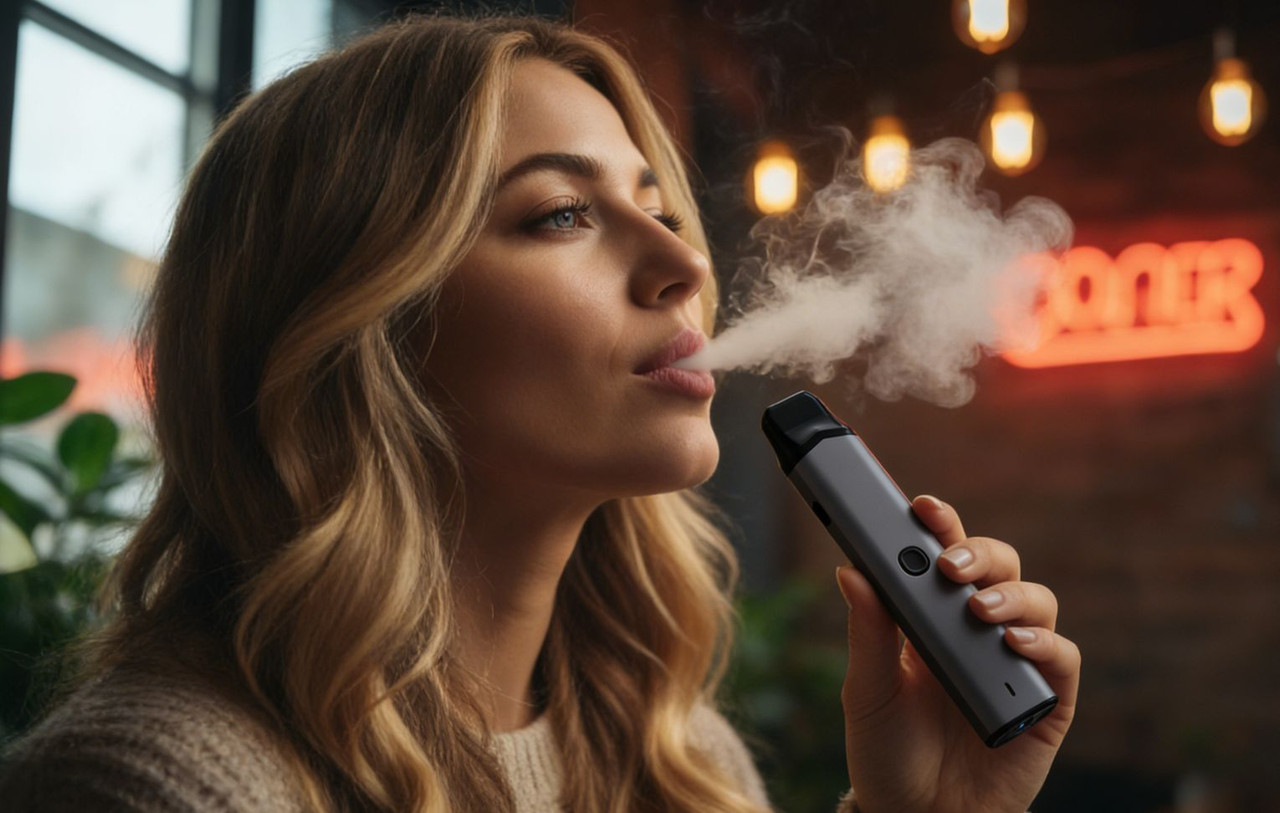
You can easily get 2–6 weeks from one ceramic coil if you avoid dry hits, keep temperature low, and don’t chain-vape like crazy.
Dive Deeper: The Three Rules I Follow Every Day
-
Never dry-burn the coil
The moment you press fire with no oil, you destroy the thin oxide layer on the wire and burn the cotton inside the ceramic. One dry hit can ruin the heating core. -
Keep temperature or wattage reasonable
Live resin and live rosin taste best at low temperature. If you crank it overheat, the terpenes burn, carbon builds up on the ceramic, and you get that awful burnt popcorn taste. Low and slow is the secret. -
Don’t chain-vape for minutes
Ceramic wicks oil slower than cotton coils. If you take 15 hits in a row, the center gets dry even if the tank looks full. I wait 10–15 seconds between hits when I’m going hard. My current coil is on day 28 and still tastes fresh.
Follow these three rules and you’ll save money and keep enjoying clean flavor for weeks.
Final Thoughts
Ceramic coils are safe, clean, and long-lasting when you buy quality ones and treat them right. The scary stories online almost always come from bad manufacturing or user error. I’ve been vaping on ceramic coil vape daily for years and feel zero worry. Pick good brands, keep the power reasonable, and enjoy.
Safe vaping!