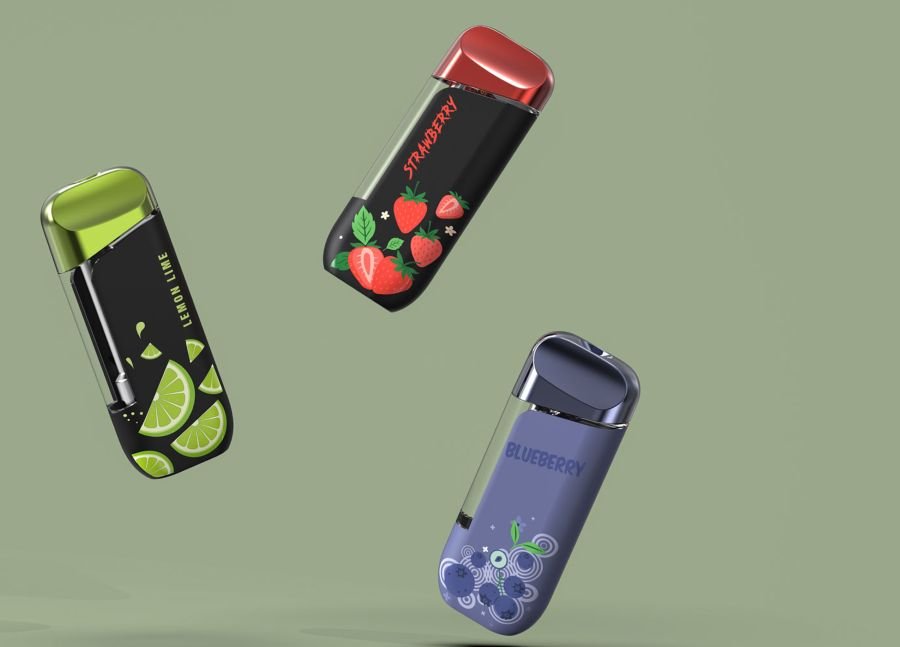
What is the best hardware for rosin carts?
Rosin carts burn through your premium oil faster than you think. The wrong hardware turns your expensive concentrate into wasted product and harsh hits. You need hardware that matches rosin's unique needs.
The best hardware for rosin carts depends on matching your specific oil to the right device specs. No single vape works perfectly for all rosin. Good hardware gets tuned to your particular rosin's properties through careful adjustment of power, voltage, and ceramic specifications.
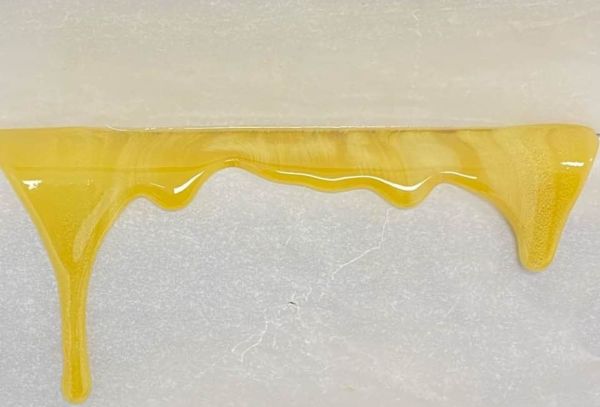
I've tested dozens of cartridges with rosin over the years. The difference between good and bad hardware is night and day. Let me walk you through what actually matters when you choose your next cart.
What is the best setting for a live rosin cart?
Live rosin settings confuse most people. Too hot and you burn the terpenes. Too cold and you get weak vapor. Finding the sweet spot seems impossible at first.
For center post vapes, use 2.0mm+ inlet holes with 5-7W power or 2.2-2.8V voltage. For postless designs, set 4-6W power or 2.0-2.6V voltage. Adjust based on your rosin's terpene content and thickness.
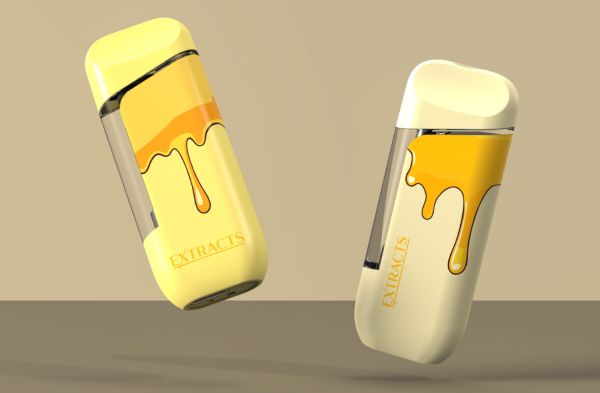
Understanding the technical differences
Rosin demands more from vape hardware than other concentrates. The high terpene content makes rosin temperature-sensitive. Plant fats and fibers in rosin require specialized ceramic cores.
| Vape Type | Inlet Hole Size | Power Range | Voltage Range |
|---|---|---|---|
| Center Post | 2.0mm+ | 5-7W | 2.2-2.8V |
| Postless | / | 4-6W | 2.0-2.6V |
The center post design needs larger inlet holes than distillate or live resin. This allows the thicker rosin to flow properly. Smaller holes cause clogging. Clogging leads to dry hits and burnt taste.
Postless vapes work differently. They focus on power output control. The ceramic heats more evenly. This prevents hot spots that burn terpenes. The lower voltage range protects delicate flavors.
Transpring developed solutions for rosin after years of testing. Their Chill, Vulcan, and Twinx Box models show what proper engineering does. These devices optimize ceramic porosity and structure. Smart temperature control maintains consistency across the entire cart.
Is 3.3 V too high for live rosin?
Most batteries default to 3.3V. People assume this voltage works for everything. They wonder why their rosin tastes burnt or hits harsh.
Yes, 3.3V is too high for most live rosin carts. At 1.8Ω resistance, 3.3V outputs 6W, which works for some rosin but burns high-terpene varieties. At 1.2Ω resistance, 3.3V outputs 9W, which is definitely too hot for rosin.
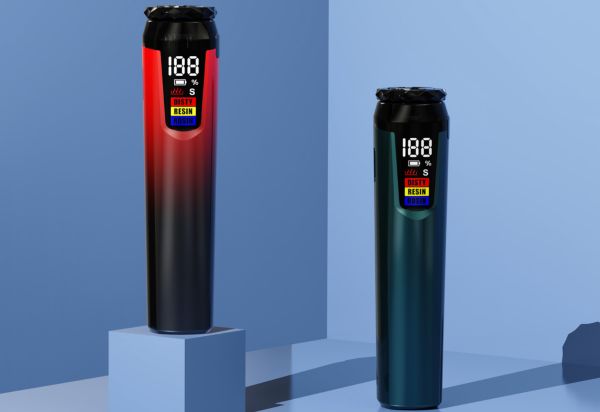
The relationship between voltage, resistance, and power
Voltage alone doesn't tell the full story. Resistance matters just as much. The combination determines actual power output.
I once helped a customer troubleshoot burnt rosin. They insisted their voltage was fine. When I checked the resistance, the math revealed the problem. Their 3.3V setting pushed 9W through a low-resistance coil. Way too hot.
| Resistance | Voltage | Power Output | Suitable for Rosin? |
|---|---|---|---|
| 1.8Ω | 3.3V | 6W | Some varieties |
| 1.2Ω | 3.3V | 9W | Too high |
The physics here is simple. Power equals voltage squared divided by resistance (P = V²/R). Higher voltage or lower resistance increases power. More power means more heat.
Rosin contains plant fibers that carbonize easily. Cotton-wrapped ceramic cores get clogged by these fibers. Inlet holes fill with plant material. This slows oil absorption. Slow absorption causes dry hits and burnt taste.
The best approach checks both voltage and resistance. Calculate the actual wattage. Start low and increase gradually. Watch how the vapor tastes and looks. Adjust until you find the perfect balance for your specific rosin batch.
The best rosin cart hardware matches your oil through proper specs and settings. Start with lower voltage and power, then adjust based on performance and taste.