
You might be wondering why there are so many different types of cannabis oils on the market—live resin, distillate, live rosin, liquid diamonds, and so on. When did all these formats even show up? And why do we need so many of them?
Today, let’s take a quick tour through the history of vape oil.
CO₂ Oil, the Very First Vape Oil.
Before 2011, vape cartridges basically didn’t exist. Recreational cannabis wasn’t legal in any state, so the consumer base was small and most people just smoked joints.
That changed fast after Colorado and Washington legalized recreational cannabis in 2012. Suddenly the vape market opened up, and CO₂ oil became the go-to extraction. CO₂ extraction had already been used in medical cannabis, it produced clean and natural oil, and the tech barrier was relatively low—so it became the first mainstream vape oil.
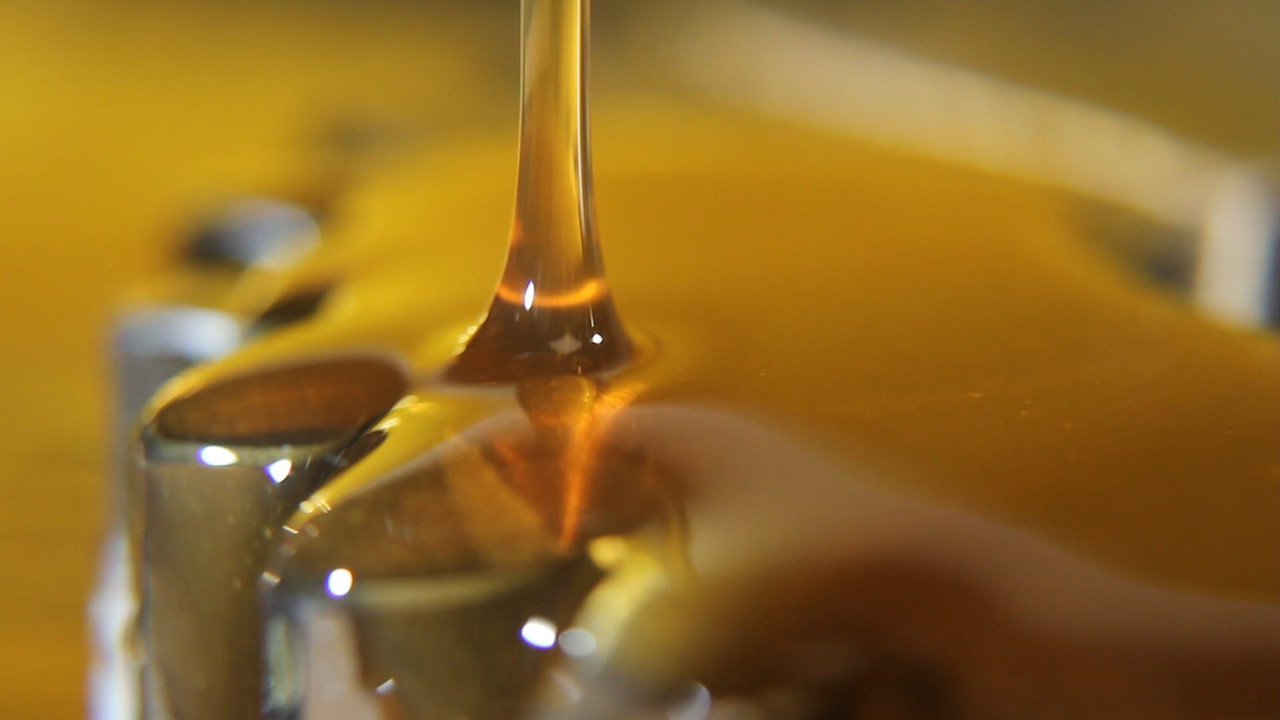
From 2012 to 2016, nearly every THC vape on the market was CO₂ oil.
The Distillate Boom
Around 2015–2016, short-path distillation equipment became affordable for both black-market producers and licensed labs. Overnight, people could take crude extract (BHO or CO₂) and refine it into 90–99% THC crystal-clear oil. That’s when distillate really appeared.
CO₂ oil usually tested at only 60–75% THC and had inconsistent flavor from batch to batch. Distillate, on the other hand, delivered super high THC, usually above 90%, and brands could mix in whatever terpenes and flavors they wanted. New consumers and female customers especially loved the smooth, predictable experience.
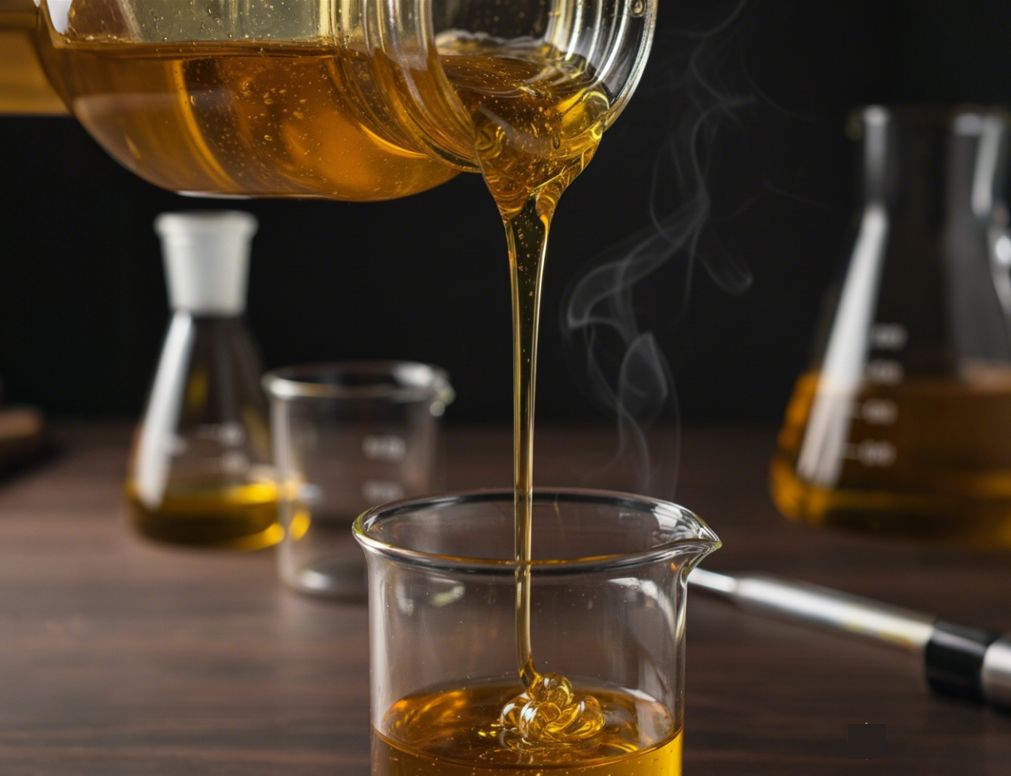
Batch consistency was amazing, it scaled well, and brands using distillate exploded in popularity. Stiiizy, Select, Plug Play, Raw Garden (in their early days) all built their early success on distillate.
By 2017, distillate completely overtook CO₂ oil and became the dominant product on the market.
Live Resin Takes Off (2018+)
But consumers are fickle—they get bored quickly. Distillate lacked minor terpenes and other cannabinoids, and added flavorings (especially botanical terps) often tasted fake or overly “chemical.”
So the market swung back toward oils that tasted more like the actual flower. Live resin took off.
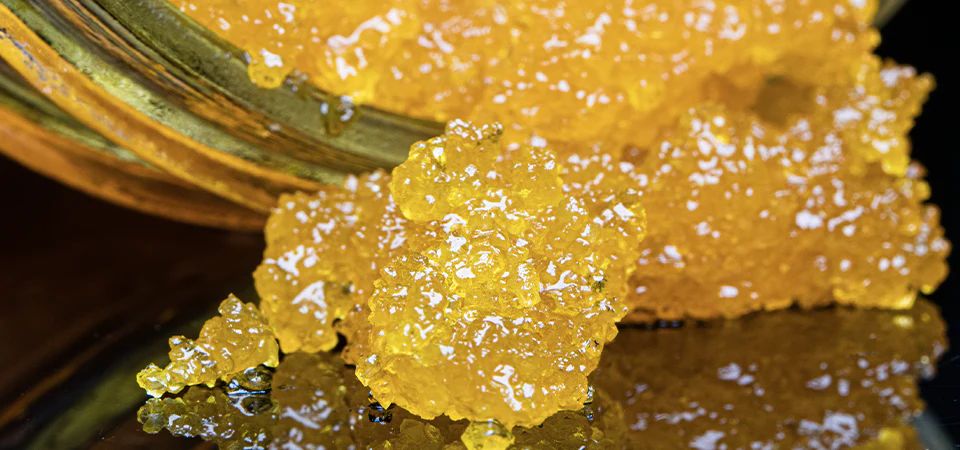
Live resin captures the plant’s natural profile by extracting from fresh-frozen flower at low temperatures. The flavor is rich, layered, and true to the strain. Even though it costs much more than distillate, consumers were happy to pay for authenticity.
By 2018–2019, live resin had become the benchmark for mid-to-high-end vapes.
Live Rosin: The Premium of the Premium
Then came live rosin—even more premium than live resin. It’s solventless, handcrafted, and preserves the full terpene and cannabinoid spectrum. Because it’s labor-intensive and yields are low, it costs significantly more.
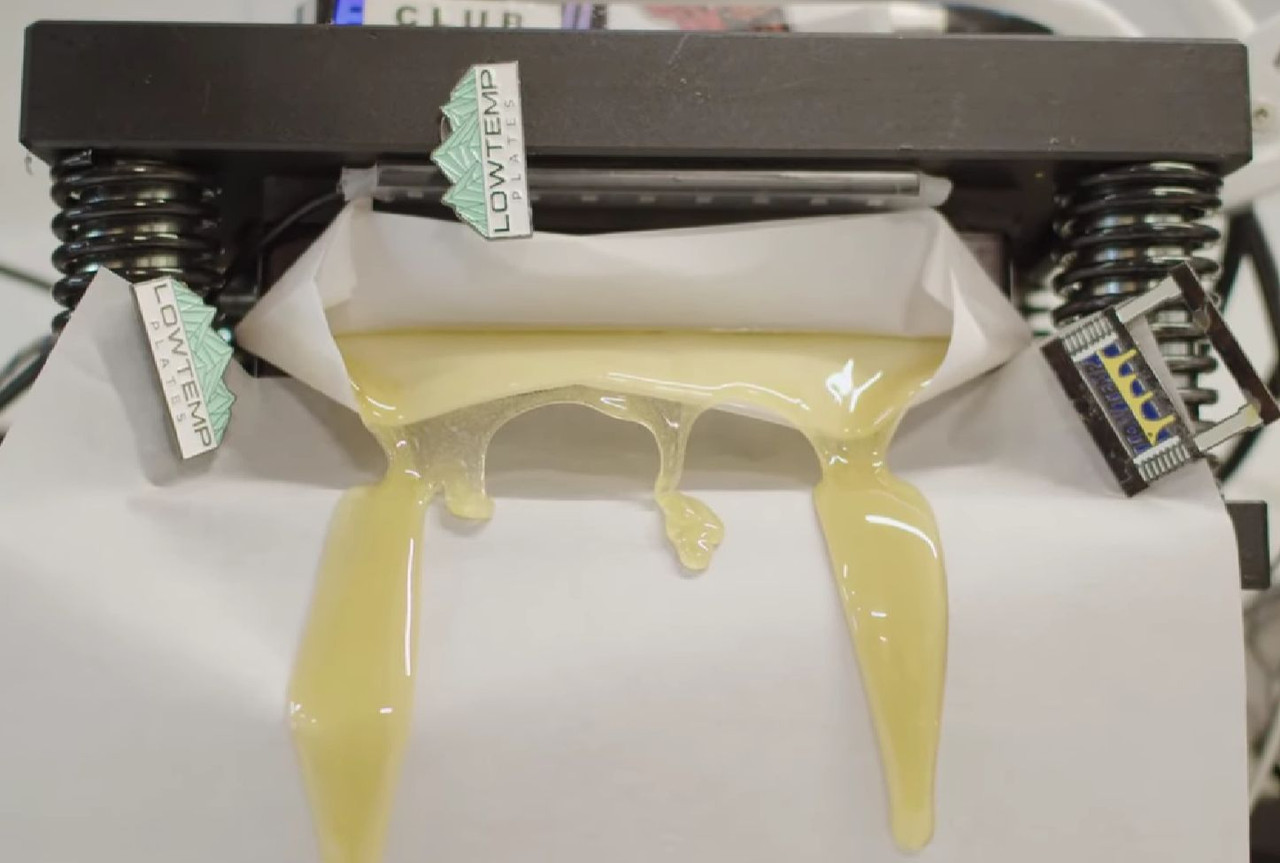
But the flavor is unmatched. After 2020, demand for solventless products exploded, and live rosin became the top-shelf standard in the cannabis world.
Liquld Diamonds: High Purity Meets High Flavor
Liquid diamonds combine the best of both worlds. Producers first isolate high-purity THCA crystals, then dissolve them into HTE (high terpene extract) from fresh flower. The result is an oil that has both THCA crystals and rich terpenes—clean, potent, and flavorful.
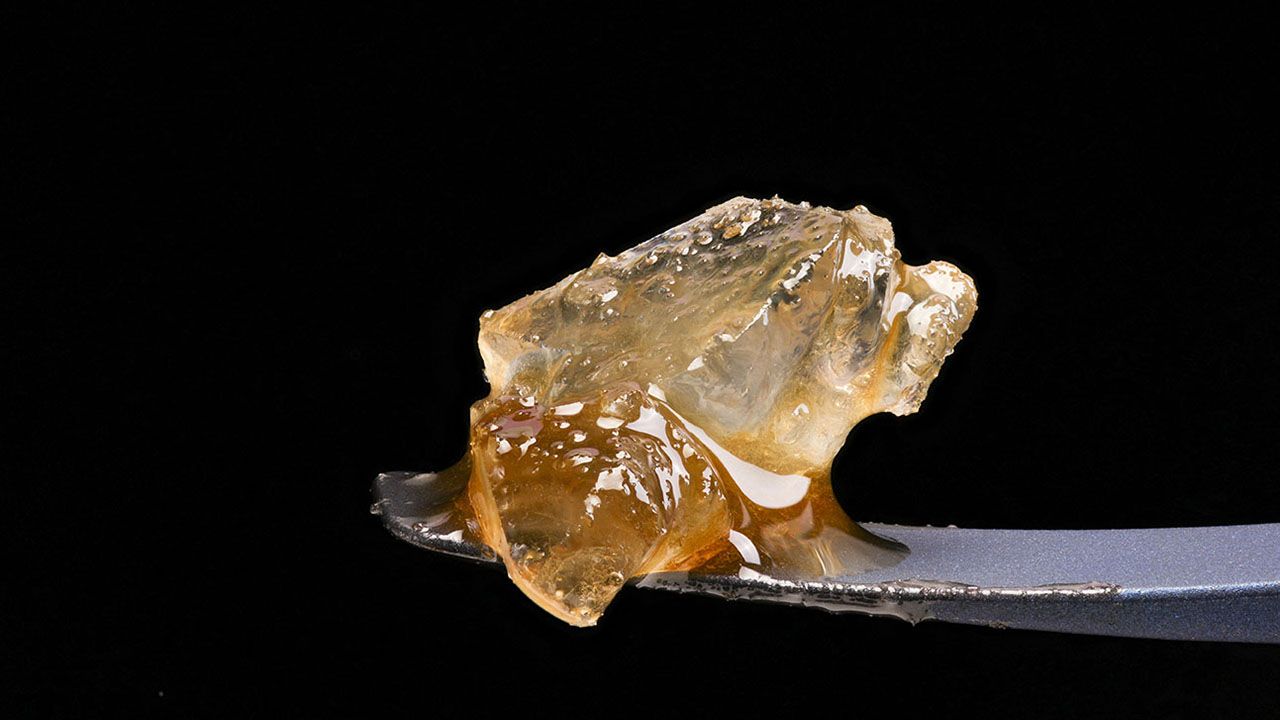
During vaping, THC vaporizes first, and then a second wave hits as THCA converts to THC a moment later. This creates a “dual-peak” effect that feels stronger than typical decarbed oils.
Some users say:“It’s only 85% potency on paper, but it hits like 95% distillate.”
Liquid diamonds started taking off around 2021 and quickly became a major force in the mid-to-high-end vape category.
And at Transpring, we’ve been part of that journey since 2012. We’ve watched the cannabis industry grow, evolve, and innovate—and we’ve evolved right alongside it. As oils changed and new extraction styles emerged, we kept upgrading our hardware to match each new formulation, making sure consumers always get the best possible experience.
And we’re not stopping here. We’ll continue growing with this industry—sharing knowledge, pushing technology forward, and delivering next-generation hardware that meets the needs of tomorrow’s market.
