
What are the reject rates in manufacturing cannabis vaping cartridges?
Manufacturing cannabis vaping cartridges comes with challenges. Many brands face high reject rates. This leads to wasted product, lost money, and unhappy customers. Leaks, clogs, and dead units hurt everyone in the chain.
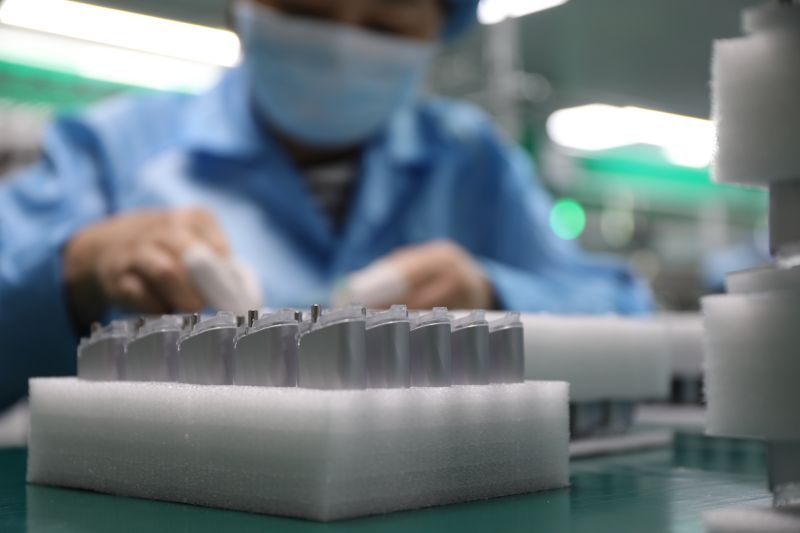
The industry standard reject rate for cannabis vapes usually sits below 0.3%. This number covers all major defects like leaking, clogging, and failure to work. At Transpring, we keep our reject rate under 0.03% — about ten times better than the common benchmark — based on our long-term shipment data.
I have seen many cannabis brands struggle with quality issues over the years. Poor hardware ruins great oil. It frustrates users and damages brands.
How to tell if a vape hardware is high quality?
You invest time and money into your cannabis oil. The last thing you want is hardware that fails to deliver. Bad taste, leaks, or safety risks show up fast. Many products look good on the outside but fail under real use.
High-quality vape hardware stands out in performance, safety, and reliability, as it is precisely matched to your specific oil to deliver a clean, true flavor with no burnt taste or off-notes, while also completely avoiding leaks and clogs; moreover, it uses certified A-grade cells, passes heavy metal tests, and employs food-grade, chemically stable materials.

Let me break this down so you can check hardware yourself.
1. Does it deliver excellent flavor and performance with your oil?
A good vape hardware should enhance the oil’s natural terpene profile, not mask or burn it. After fine-tuning the hardware specs (coil resistance, airflow, wick material) to match your specific oil, you should get clean, full-bodied hits every time — no burnt taste, no off-flavors.
2. Does it stay leak-free and clog-free over time?
This is the #1 complaint we hear from brands. Leaks ruin packaging and customer experience. Clogs frustrate users and lead to returns. High-quality hardware maintains airtight seals and proper oil flow even after weeks of storage or transport. High-quality vapes eliminate oil leaks and clogging problems, so users never have to stress about leaking or clogging again.
3. Are the battery cells safe and certified?
We only use A-grade cells that pass UL certification. UL testing includes needle puncture, high-temperature exposure, crush tests, and more. Cells must not catch fire or explode under these extreme conditions. Discharge and charge rates stay stable too. Many low-cost options skip this step. They use B-grade or recycled cells. These fail faster and pose real safety risks.
4. Does it pass heavy metal testing?
Metal parts touch the oil path in many devices. Machining, containers, and tools can introduce traces of lead, cadmium, arsenic, or mercury. We test every production run for heavy metals. Results must fall below strict limits. Clean results protect users from long-term health concerns.
5. Are the materials food-grade and chemically stable?
Mouthpieces and oil-contact parts need FDA-compliant materials. We avoid anything that leaches or reacts. PCTG and glass work well for tanks. They handle terpenes without cracking or degrading. Silicone seals stay flexible and inert. Older designs sometimes use polycarbonate (PC) for tanks. PC reacts with terpenes over time. It cracks and causes leaks. We stopped using PC years ago after seeing this problem in the field. Stable materials last longer and keep the oil pure.
These points separate high-quality hardware from the rest. When all five align, the product performs reliably and safely.
How to select a high quality vape hardware manufacturer?
Finding the right suppliers feels risky. Many factories claim quality, but few deliver consistently. You need more than promises. Real proof matters most.
Choose a licensed manufacturer with proven certifications, transparent testing reports, and strong sample performance. Only work with factories that hold a valid China e-cigarette production license (post-2021), provide UL cell reports, heavy metal and FDA material tests, and prove zero defects in real oil compatibility tests.

Here is how I approach supplier selection step by step.
1. Does the manufacturer hold a valid e-cigarette production license?
Since 2021, China requires every e-cigarette producer to pass government review. Only approved factories receive the license. Unlicensed ones face shutdowns and penalties. Over 500 companies earned this license after strict checks. These companies meet baseline compliance and capability standards. We hold ours since the early days of regulation.
2. Can they provide full certification and test reports?
Ask for the exact documents:
- UL certification for the battery cell model
- Heavy metal migration test report for the full device
- FDA material compliance for food-contact parts
- Material composition details (tank, seals, mouthpiece)
We share these reports openly with clients. If a supplier hesitates or provides vague answers, that raises a red flag. Real quality shows in paperwork.
3. How do the samples perform with your specific oil?
Take some samples and test them with your cannabis oil. Evaluate whether the product's flavor, vapor production, and other aspects meet your requirements. High quality vape hardware can better preserve and restore the original taste of your cannabis oil, delivering a smooth and comfortable mouthfeel along with full, dense vapor. After your testing, you'll have your answer.
4. Does the hardware stay compatible without leaks, clogs, or burn?
Run real-world tests. Fill samples with your oil. Store some at room temperature and some at elevated heat for weeks. Use others daily. Check for:
- Any oil leakage at the base, mouthpiece, or seams
- Clogging after short or long rests
- Burnt taste after extended use
- Consistent performance from first puff to last
We test thousands of units this way before full production. Our reject rate stays below 0.03% because these checks catch issues early.
Follow these steps and you reduce risk. You find suppliers who deliver reliable hardware that protects your brand and pleases your customers.
We at Transpring built our process around low defects and real performance. Our reject rate proves the difference. Choose hardware and suppliers carefully. Your oil deserves the best delivery.
