When selecting Cannabis Vape hardware, the choice of materials significantly affects product performance, cost, and brand positioning. This article explores the applications and characteristics of different materials used in the mouthpiece, tank, and center post—components that come into contact with the user's mouth or oil—to help you choose the most suitable vape hardware.
1. Mouthpiece
The mouthpiece is the part of the vape hardware that directly contacts the user's mouth, so its material must meet food-grade standards to ensure safety. As long as manufacturers maintain high-quality production, common mouthpiece materials—electroplated brass, ceramic, plastic (PC), and wood—can all meet food-grade requirements and are safe. The differences among these materials lie primarily in cost, texture, and brand positioning.
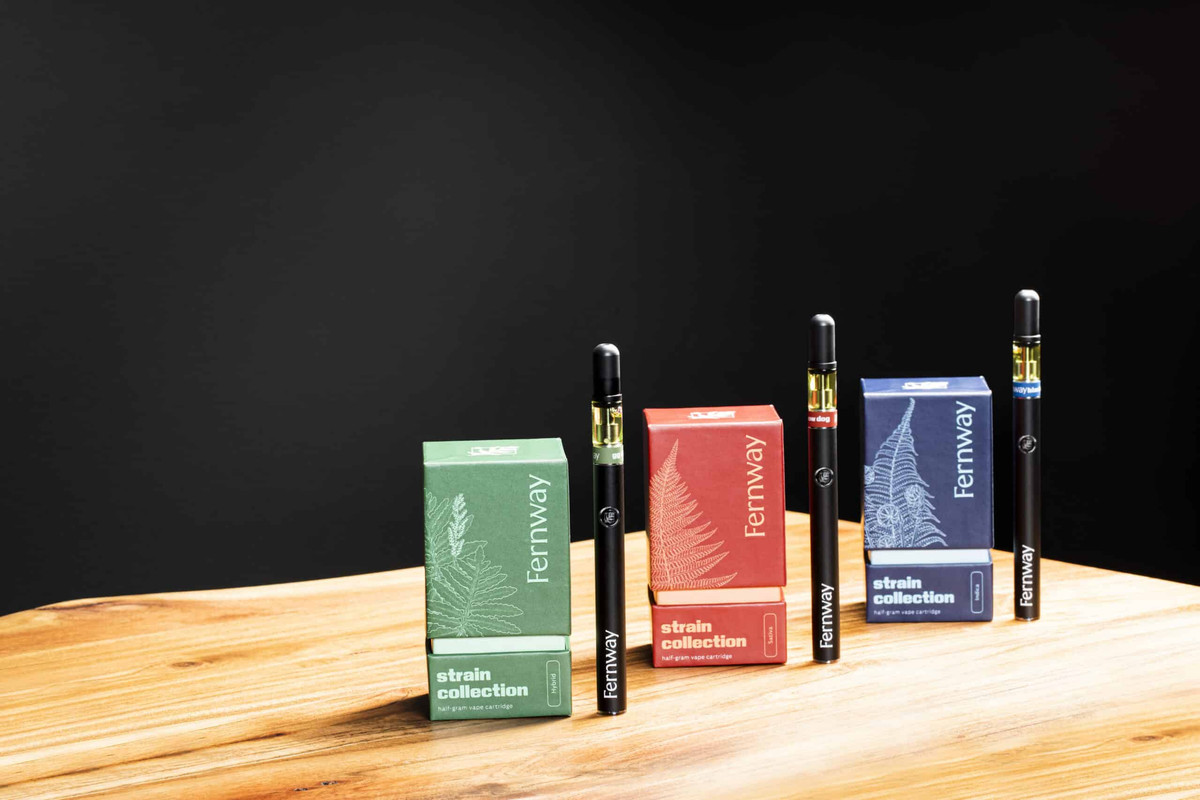
- Metal Mouthpiece: Typically made of electroplated brass, metal mouthpieces have the highest overall cost among these materials due to high material and shipping costs (as they are heavier). Their primary advantage is a premium texture, making them ideal for high-end brands or pairing with premium oils, such as Fernway, Heavy Hitters, and ROVE.
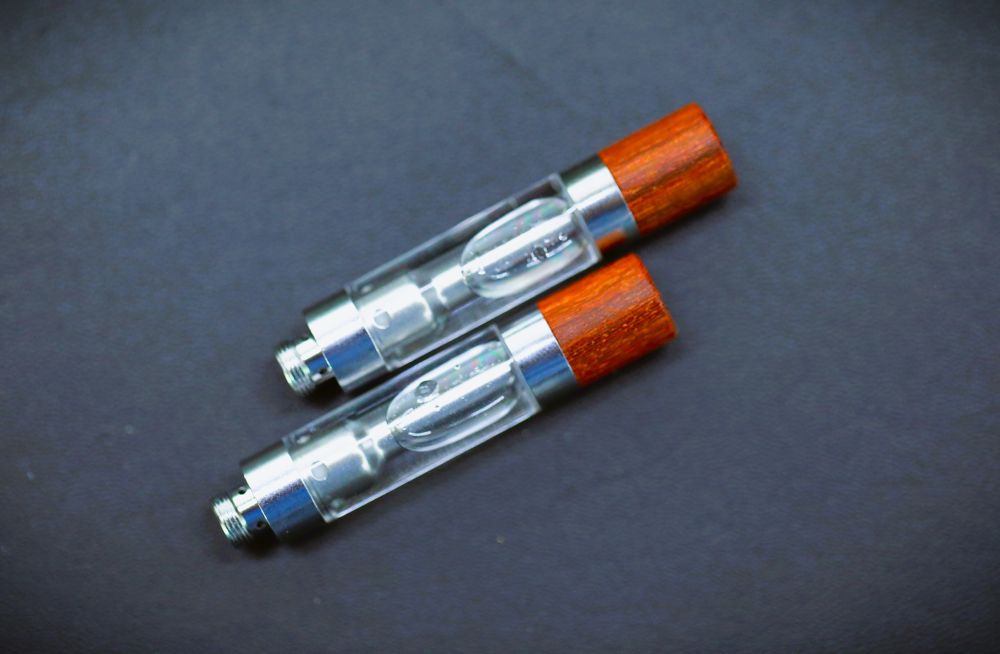
- Wooden Mouthpiece: Slightly less expensive than metal. They are less common in the market, adding a unique personality to the brand, suitable for brands pursuing differentiation, such as Jetty Extracts, Big Chief, and Hi Trees.
- Ceramic Mouthpiece: The most common choice in the market, ceramic mouthpieces offer a good balance of texture and lower cost, making them the preferred option for most brands. Their drawback is limited color customization, with white and black glazes being the most stable, while other colors may have stability issues.

- Plastic (PC) Mouthpiece: The lowest-cost option, plastic mouthpieces excel in high customizability, easily achieving various colors at low customization costs, making them ideal for brands requiring diverse designs.
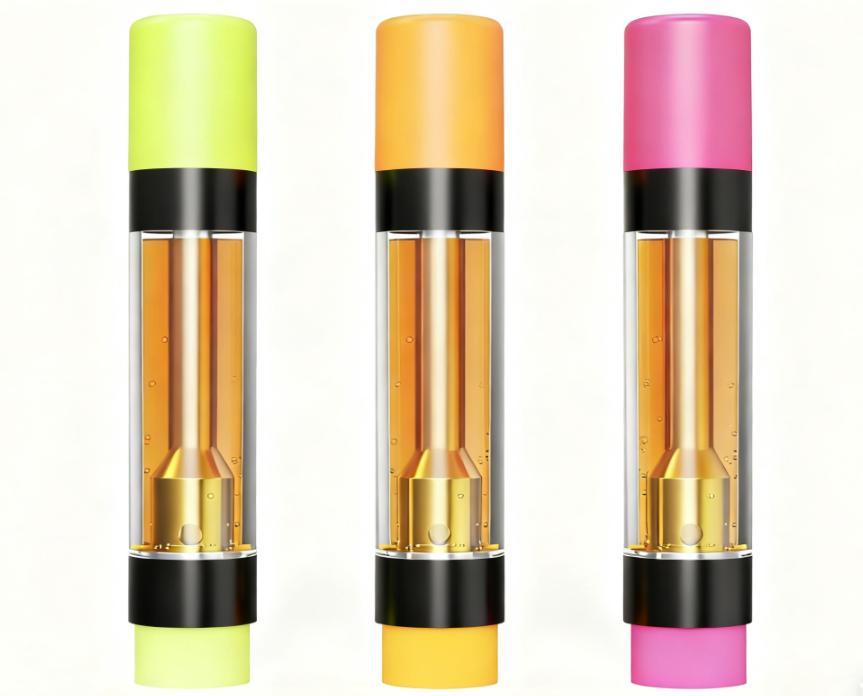
Cost Ranking: Metal Mouthpiece > Wooden Mouthpiece > Ceramic Mouthpiece > Plastic Mouthpiece.
2. Tank
The tank stores cannabis oil and is in prolonged contact with the oil, so its material must meet food-grade standards and avoid chemical reactions with the oil. Common tank materials include glass and plastic (PC and PCTG). Below is a comparison of their characteristics:
Glass Tank:
- Advantages: Extremely high chemical stability, no reactions with any oils or terpenes, and a premium texture.
- Disadvantages: Fragile, more likely to break when dropped compared to plastic tanks; limited shape customization, typically restricted to cylindrical or spindle shapes.
Plastic Tank (PC and PCTG): - Advantages: Low cost, shatter-resistant, and highly customizable in shape, making them widely used in disposable vapes. PCTG offers better corrosion resistance than PC, compatible with 99% of oils, with market-proven superior stability.
- Disadvantages: PC has weaker corrosion resistance and may react with certain terpenes in oils, leading to cracking. PCTG is recommended for better stability. All plastic tanks from Transpring use PCTG to ensure higher stability.

Cost and Stability Ranking: Glass > PCTG > PC.
Recommendations:
- For maximum material stability, glass tanks are the best choice.
- For diverse product shapes, PCTG is the preferred option, balancing stability and customizability.
- Avoid using PC tanks unless compatibility with your oil has been tested and confirmed to avoid chemical reactions.
3. Center Post
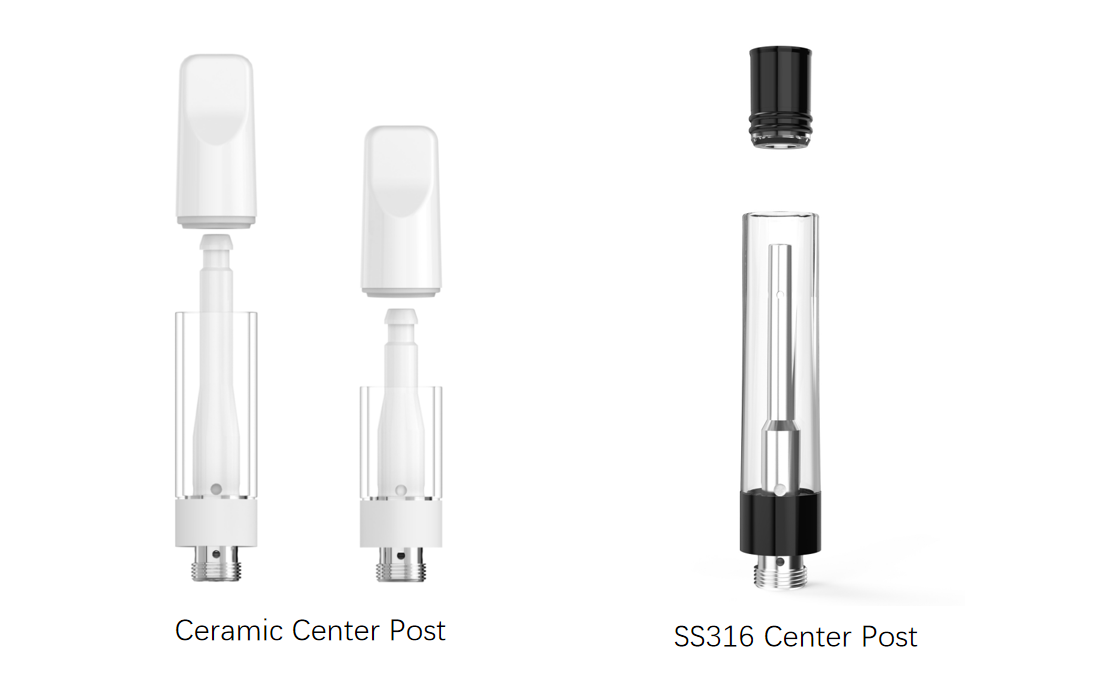
For vape hardware with a center post, the material choice is critical as it is in prolonged contact with both the oil and the heating element, requiring food-grade compliance, high-temperature resistance, and chemical stability. Common materials include ceramic, stainless steel, and electroplated copper.
- Ceramic and Stainless Steel Center Post: These offer the highest safety, meeting food-grade standards, high-temperature resistance, and chemical stability. All cartridges and disposable vapes from Transpring use medical-grade SS316L stainless steel or ceramic for their center posts to ensure quality.
- Chromium-Plated Copper Center Post: Copper contains heavy metals like lead and requires chromium or gold plating to meet food-grade, high-temperature, and corrosion-resistant standards. If the plating process is flawless, it is generally safe. However, minor imperfections in the plating process may leave copper exposed, potentially releasing trace amounts of lead into the oil, which could result in exceeding lead content limits during lab testing (U.S. state regulations typically limit lead to 0.5 μg/g).
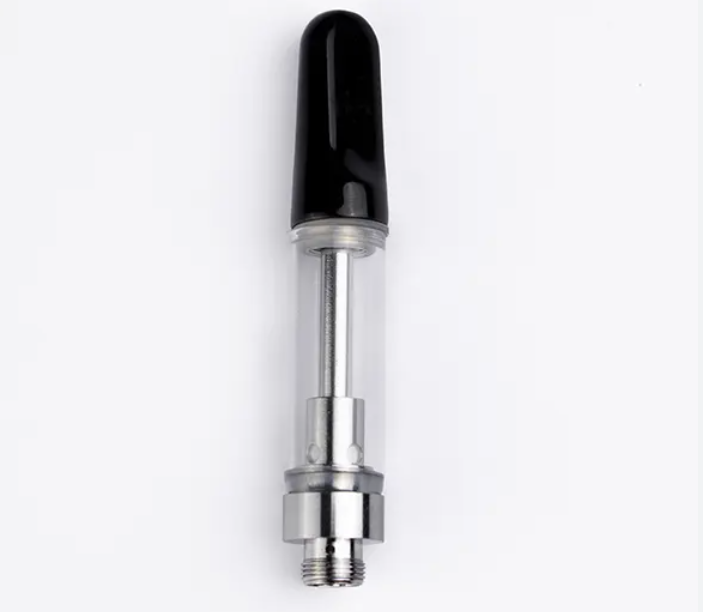
Recommendation: Prioritize ceramic or stainless steel center posts for maximum safety. If using chromium-plated copper, ensure the plating process is reliable.
Summary
The choice of materials for the mouthpiece, tank, and center post directly impacts the cost, texture, safety, and brand positioning of vape products. Metal and wooden mouthpieces suit premium or distinctive brands, while ceramic mouthpieces offer a balance of cost and premium texture, and PC plastic mouthpieces provide the lowest cost with the highest customizability. Glass tanks provide the best stability, while PCTG balances stability and shape diversity. Ceramic and stainless steel center posts are the safest options.
If you have any questions about selecting vape hardware, feel free to contact us. We’ll provide professional advice to help you find the most suitable vape hardware!
Or you can tell us what kind of content you are interested in, we will consider if we can write for you.