
Why Are Disposable Vapes So Expensive?
Disposable vapes cost way more than you expect. You see a small device that lasts a week or two, yet it sells for $15–$30 or higher. This frustrates many vapers who wonder why a simple product hits such high prices.
Yes, disposable vapes seem not expensive because production costs[^1] stay low (just a few dollars per unit), but layers of added expenses pile up: shipping, high tariffs[^2] , taxes, compliance rules[^3], and profits at every step from brand to retailer. These extras drive the final retail price far above manufacturing cost.
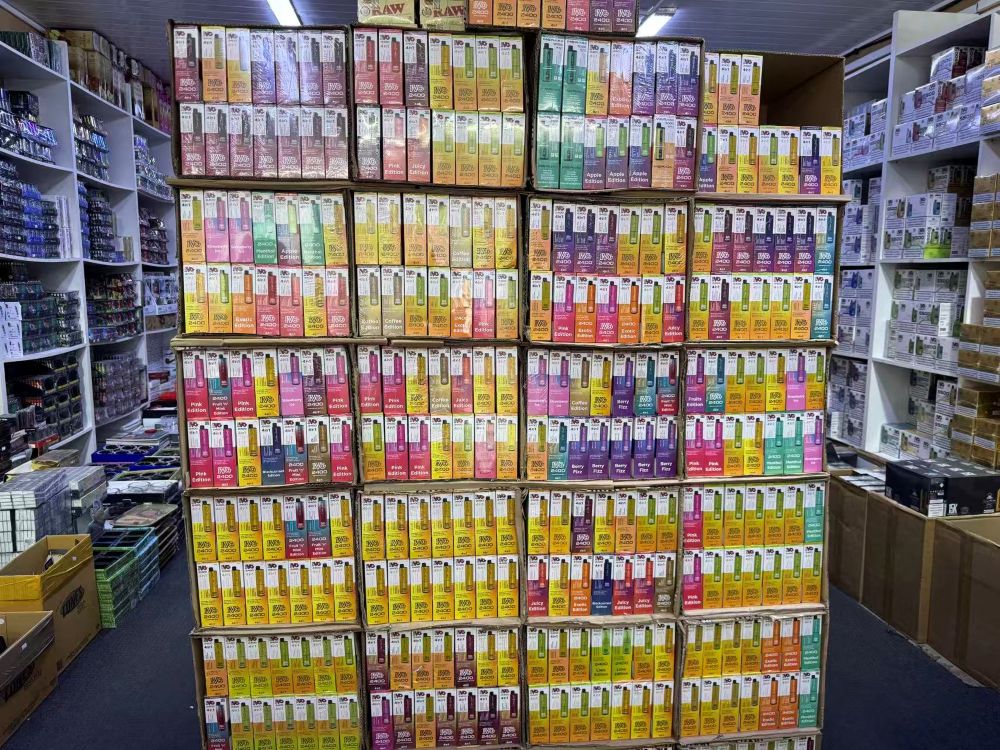
I have bought many vapes over the years, and each time I pay the bill, I think about the same thing. The device itself feels cheap to make. So why does the price sting so much? Let me break it down for you.
Will Disposable Vape Prices Keep Going Up, or Might They Drop Soon?
Prices for disposable vapes will likely rise first, then fall in the coming years. Short-term pressures from regulations and tariffs push costs higher, but long-term market changes could bring relief as fewer brands survive and big players optimize.
Disposable vape prices are set to increase in the near term due to strict PMTA requirements[^4], high tariffs on imports, and ongoing compliance costs that get passed to consumers. Over time, as only a few certified companies dominate the market, economies of scale[^5] and competition may drive prices down.
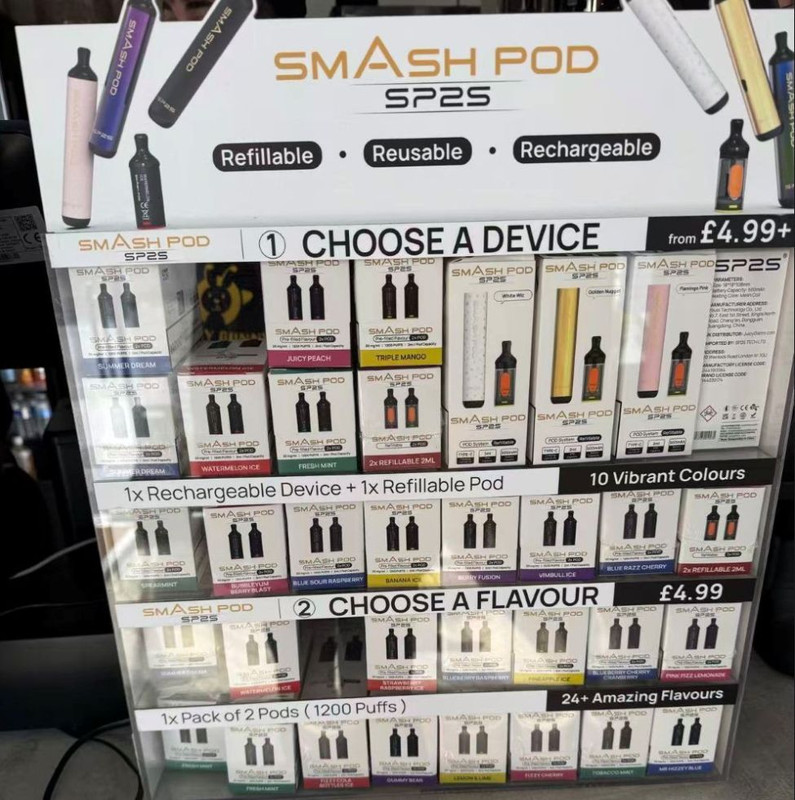
The vape world changes fast. I remember when prices felt more reasonable a few years back. Now every trip to the shop reminds me how much has shifted. Governments treat vapes like tobacco products, so rules get tougher every year. This affects everything from how products ship to what brands can sell legally.
The short-term outlook looks rough. Tariffs jumped big in 2025 under new policies. Many reports show tariffs on Chinese vapes hit levels like 57.8% or even higher in some cases, way up from before. Most disposables come from China or Asia. When a $5–$10 factory item faces that kind of duty, the landed cost doubles or more before anyone adds profit.
Shipping got harder too. Back before 2021, big carriers like UPS, FedEx, and DHL moved vapes quickly and cheaply—often in 3–5 days from China to the US. Then rules changed. Governments classified vapes as tobacco, so those carriers dropped the business to stay compliant. Now vapes travel by slower, pricier air freight or other methods. That alone adds dollars to each unit.
On top of that, compliance eats money. The FDA demands PMTA (Premarket Tobacco Product Application) for legal sales in the US. Companies spend millions—sometimes $100,000 to millions per product family—to test, submit data, and wait years for approval. Small brands struggle or quit. Big ones pass those huge costs to buyers through higher prices.
Here is a quick breakdown of the main cost layers I see today:
| Cost Layer | Typical Impact on Price | Why It Adds Up |
|---|---|---|
| Manufacturing | $2–$6 per unit | Basic parts: battery, coil, e-liquid |
| Shipping & Freight | +$0.4–$1 (post-2021 changes) | Slower, restricted carriers |
| Tariffs (2025+) | +57.8% on import value | High duties on Chinese goods |
| Taxes & VAT | State excise + sales tax | Varies by location, often 10–30%+ |
| Compliance (PMTA etc.) | Millions spread across units | Testing, applications, legal fees |
| Brand/Distributor/Retail Profits | 50–100%+ markup chain | Each level takes a cut |
These layers stack. A cheap factory vape ends up at $20+ retail. I have seen friends switch brands just to save a few bucks, but the baseline keeps climbing right now.
In the longer run, things might improve. PMTA rules weed out weak players. Only strong companies with cash and patience get through. Once a handful of big brands hold most of the market, they gain power. They buy in bulk, cut waste, streamline supply chains, and compete hard. Competition forces them to lower prices or offer better deals to keep customers. We have seen this pattern in other regulated industries. Monopoly-like control first raises prices, but then efficiency and rivalry bring them down.
I expect the peak pain in the next 3–5 years. After that, survivors optimize and fight for share. Prices could drop noticeably for legal disposables. Of course, this assumes rules stay steady. New bans or flavor restrictions could change everything again.
Are Black Market Disposables Avoiding Taxes and Tariffs?
Black market or sneaky imported disposables dodge some costs, especially US taxes, but they rarely skip tariffs completely—and they carry big risks.
Most black market disposable vapes avoid US excise taxes, sales taxes, and compliance costs like PMTA, which makes them cheaper. However, they usually still pay import tariffs[^6] during shipping, though some evade them by misdeclaring or using unlicensed factories. Overall, they undercut legal prices but come with quality and safety concerns.
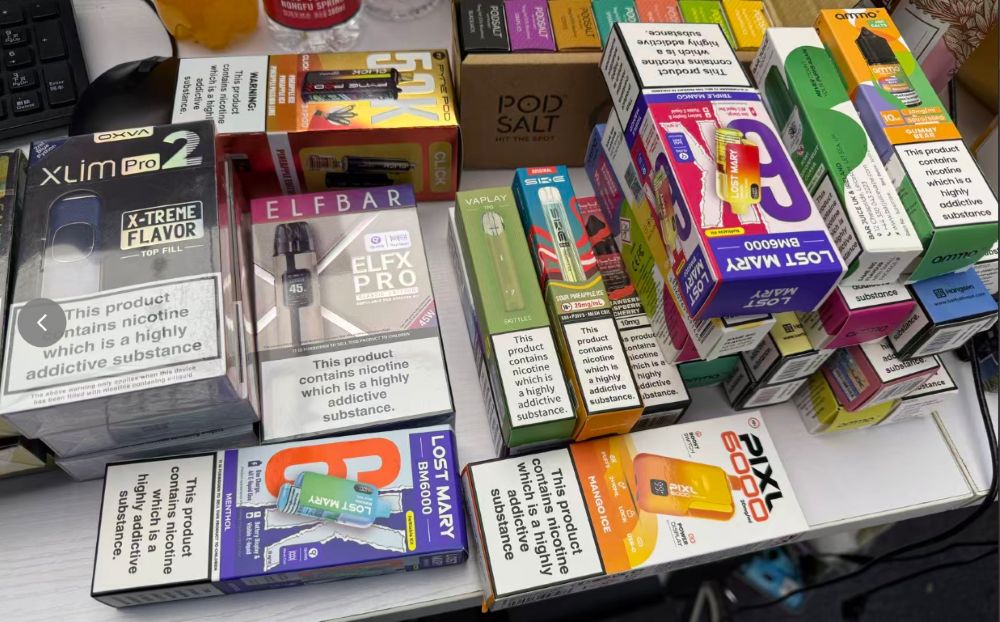
I stay away from black market stuff myself. I value knowing what I inhale. But I get why people look there—prices can be half or less. So how do they pull it off?
Most vapes start in Asia. Factories ship them out. During export, companies declare the goods honestly in many cases. Why? Fake declarations risk huge fines or factory shutdowns back home. So they label as "electronic cigarettes" or similar. US customs sees that and hits with the high vape tariff—often 50%+ now.
Some black market sellers try tricks. They use factories without proper licenses or declare items as "toys," "electronics," or other categories with lower duties. This lets some product slip through at ordinary tariff rates instead of the steep vape ones. It happens, but customs catches plenty too. Seizures make headlines often.
Once past customs, black market vapes skip a lot. No PMTA fees. No big compliance testing. No state excise taxes[^7] in many cases. No VAT or heavy operational overhead. Sellers import quietly, move through informal channels, and sell cheap—sometimes at gas stations, online, or pop-up spots.
This creates a huge gap. Legal brands follow every rule. Black market ones ignore most of it. Result: you see $5–$10 disposables that look almost the same as $25 legal ones. Quality varies wildly though. Some use bad ingredients, weak batteries, or fake nicotine levels. I have heard stories from friends who got sick or had devices fail fast.
The risk goes beyond money. Legal products face FDA oversight (even if slow). Black market ones dodge all that. No recalls, no standards. Plus, buying them can bring legal trouble[^8] in some states.
In my view, the cheap price tempts, but the trade-offs hurt. I stick to legal options because I want consistency and some safety net. The price difference shows exactly how much regulation and taxes inflate costs for everyone else.
Conclusion
Disposable vapes cost a lot due to tariffs, shipping limits, compliance, and layered profits. Prices may rise short-term from PMTA and rules, but could drop later as big brands dominate. Black market options skip many fees but risk quality and legality. The market keeps shifting—stay informed.
[^1]: Learn about the production costs to understand why disposable vapes are priced the way they are.
[^2]: Discover how tariffs influence the cost of disposable vapes and the market dynamics.
[^3]: Understanding compliance rules can shed light on the costs associated with disposable vapes.
[^4]: Learn about PMTA requirements to understand the regulatory landscape for disposable vapes.
[^5]: Find out how economies of scale can lead to lower prices in the disposable vape market.
[^6]: Understanding import tariffs can help you grasp the financial implications for disposable vapes.
[^7]: Discover how state excise taxes contribute to the overall cost of disposable vapes.
[^8]: Explore the potential legal issues related to black market vapes to stay informed.
