How do vape hardware factories control heavy metals?
Heavy metal contamination can destroy a cannabis brand overnight. One failed test means a full batch recall, huge financial losses, and a reputation that takes years to rebuild.
Vape hardware factories control heavy metals through three layers: raw material sourcing, in-house production management, and third-party lab verification. Each layer builds on the last. If any one layer fails, the whole system breaks down.
Let me walk you through how we do it at Transpring — step by step.
Why does heavy metal control need to start at the raw material supply chain stage?
If your raw materials already contain heavy metals, nothing you do later will fix it. The problem starts before production even begins.
Raw materials are the root cause of heavy metal risk in vape hardware. Once contaminated materials enter the production line, no downstream process can remove the contamination. Control must begin at the supplier level, before anything enters your factory.
The most common source of heavy metal risk in vape hardware is copper components. Copper parts contain a large amount of lead. Even "lead-free copper" marketed by suppliers can still contain several hundred parts per million (ppm) of lead. California's Phase III testing requirements, introduced on January 1, 2019, set limits as low as 0.5 ppm for certain heavy metals. That gap between "lead-free copper" and 0.5 ppm is enormous.
This is why at Transpring, we made a clear decision: no copper parts in any component that contacts oil or the user's mouth. Here is how we break that down:
| Component Type | Material Used | Reason |
|---|---|---|
| Oil-contact parts | 304 or 316 stainless steel/ceramic | No heavy metal risk, even without plating |
| Mouth-contact parts | 304 or 316 stainless steel/ceramic/plastic | Direct contact with user requires the highest safety standard |
| Structural parts (no contact) | Copper with plating | Acceptable only when fully isolated from oil and mouth |
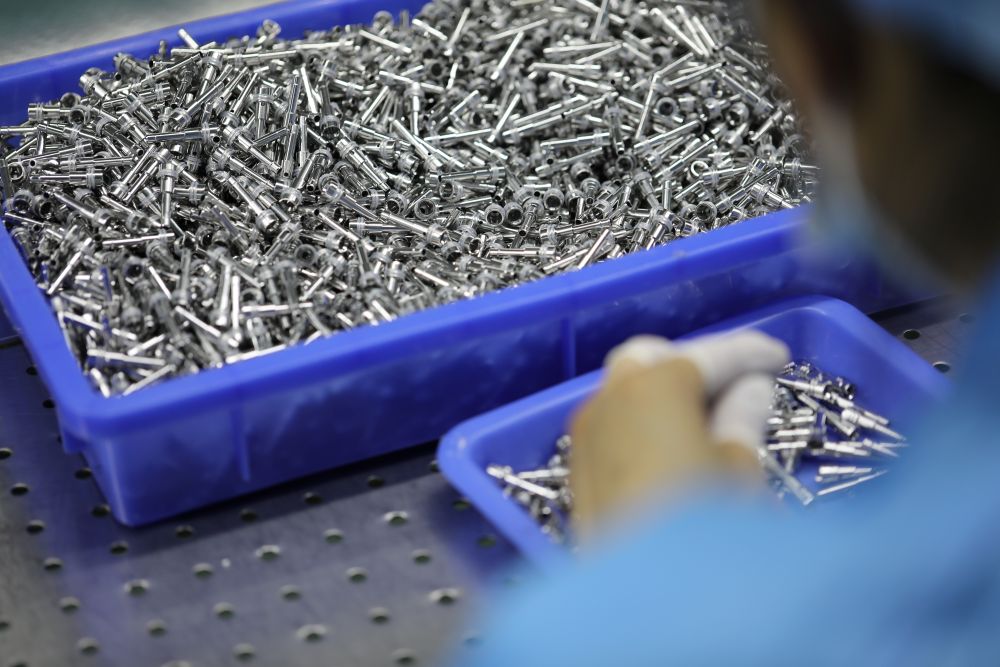
Some factories use copper parts and rely on electroplating to cover the surface. The problem is that plating failures are invisible to the naked eye. A hairline gap in the plating means copper is exposed to oil. You would never know until a lab test comes back failed. We chose to eliminate that risk entirely by switching all oil-contact and mouth-contact metal parts to stainless steel. Yes, the material cost is higher. But for us, giving our customers peace of mind is worth more than saving a few cents per unit.
Beyond the material choice, we also set strict requirements for our suppliers — including packaging material suppliers. Their machines must be free of heavy metal components. Storage containers used for our raw materials must also be free of heavy metals. Our materials must be labeled and stored separately from any materials that contain heavy metals. If incoming inspection finds any batch of raw materials that exceeds heavy metal limits, the entire batch is returned to the supplier. No exceptions.
How does Transpring implement its internal heavy metal-free control?
Controlling the supply chain is only the first step. What happens inside the factory matters just as much.
Transpring's internal heavy metal control covers every stage of production — from incoming material inspection, through the manufacturing floor, to finished product storage. Every batch of raw materials is tested before use. Every piece of equipment and every container in the facility is heavy metal-free.
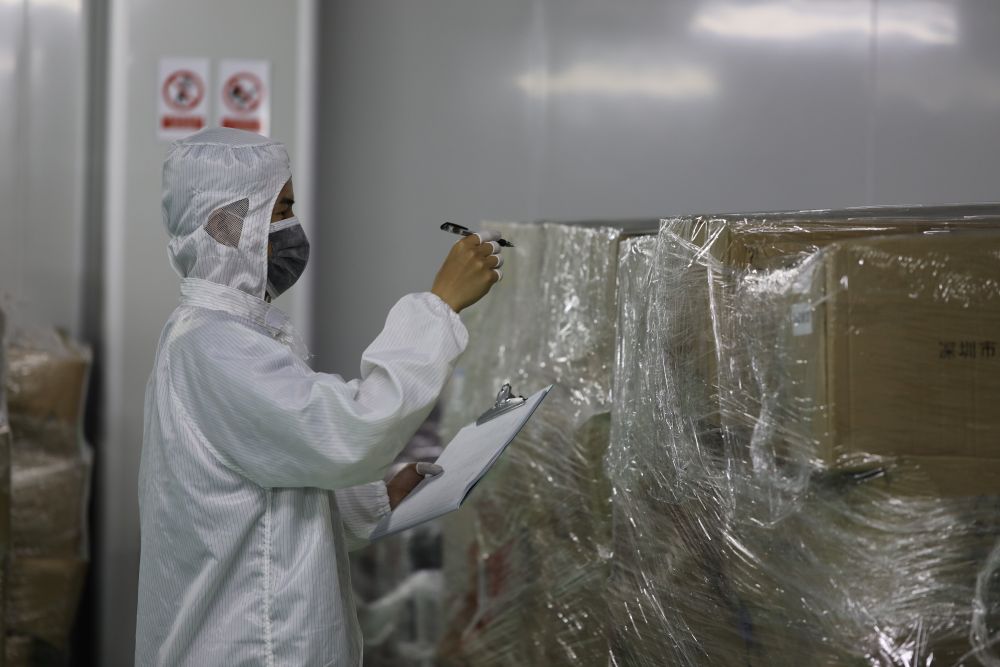
When raw materials arrive at our facility, we do not simply trust the supplier's paperwork. Every incoming batch goes to a laboratory for heavy metal testing. If a batch fails, the entire shipment goes back to the supplier. This is not a negotiation. It is a fixed rule.
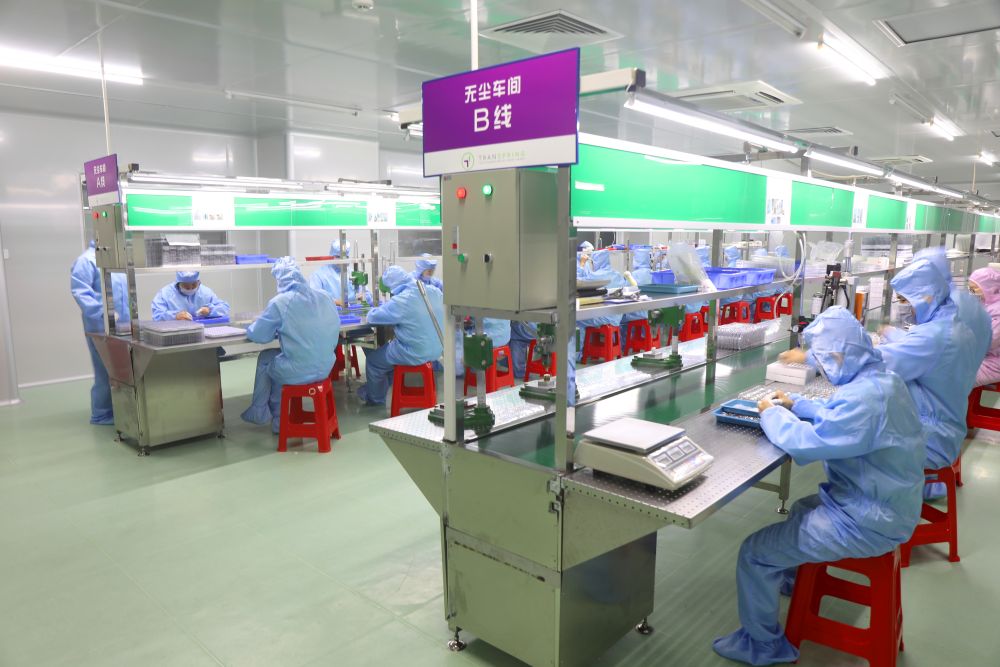
On the production floor, every machine we use to manufacture vape hardware is selected to be free of heavy metal components. Every container used to hold parts or finished products is also heavy metal-free. Here is a summary of the controls we apply across the facility:
| Area | Control Measure |
|---|---|
| Incoming inspection | Lab test every batch; reject any that exceed limits |
| Production equipment | Heavy metal-free machines only |
| Storage containers | Heavy metal-free containers for all parts and finished goods |
| Production environment | All manufacturing completed inside a clean room |
| Finished product storage | Packed and sealed products stored in isolation |
I want to be direct about why we do all of this. A cannabis brand that sends out a product with heavy metal contamination faces two possible outcomes. If the problem is caught before distribution, the entire batch is unsellable — a direct financial loss. If the product has already reached the market and gets flagged by a DCC inspection, the brand faces a recall, legal exposure, and lasting damage to its reputation. As their hardware supplier, if our product is the source of that contamination, we are the root cause of that damage. That is not acceptable to us.
How does Transpring verify that our heavy metal-free control measures are effective?
Having controls in place is one thing. Proving they work is another. Verification is what turns a policy into a guarantee.
Transpring verifies heavy metal control by sending product samples to DCC-approved laboratories at two stages: during product development and after every production batch. Since implementing strict heavy metal controls in 2019, we have had zero heavy metal exceedances across all product batches.
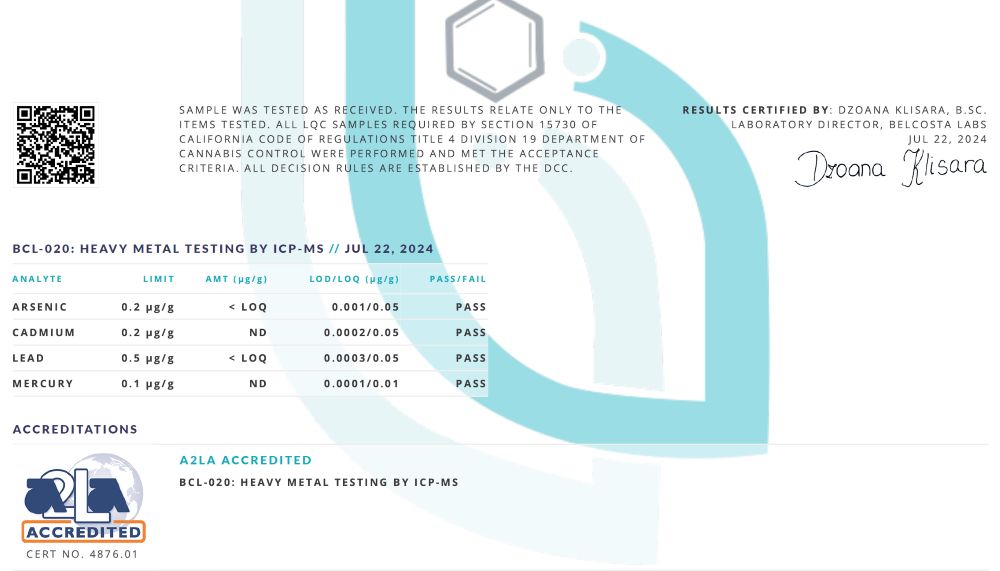
Our verification process has two stages. The first happens during product development. Before any new vape product goes into mass production, we send samples to a DCC-approved laboratory. This test confirms that the product's design and materials are clean. It is a structural check — does this product, as designed, pass heavy metal requirements?
The second stage happens after every production batch. Once a batch of finished goods is complete, samples go to the lab again. This batch-level test confirms that the actual production output — not just the design — meets the standard. Here is how the two stages compare:
| Verification Stage | Timing | Purpose |
|---|---|---|
| Development sample test | During R&D, before mass production | Confirm product design and material selection are compliant |
| Batch production test | After every finished goods batch | Confirm each batch of actual output meets heavy metal limits |
Since 2019, when we began applying strict heavy metal controls across our full operation, we have not had a single batch fail a heavy metal test. That track record is what we point to when a customer asks whether our controls actually work. Numbers matter more than policies.
I also want to be honest about what this costs. Running lab tests at both the development stage and for every production batch adds time and money to our process. Some suppliers skip the batch-level testing to reduce cost. We do not. For a cannabis brand, one failed batch is not just a financial problem — it is a signal to their customers that they cannot be trusted. We are not willing to be the reason that happens.
Conclusion
Heavy metal control protects brands from recalls, financial loss, and reputation damage. At Transpring, our three-layer system — raw materials, production, and lab verification — ensures every batch ships clean.